The Best Bedroom Colors for Good Feng Shui
This article will guide you in choosing the best colors for your bedroom, by discussing their meanings and how they can be combined to create a harmonious color scheme.

Feng Shui harmonizes the energy within our surroundings to create environments that foster health, happiness, and prosperity. One of the most important spaces to apply Feng Shui principles is the bedroom. This article will guide you in choosing the ideal colors for your bedroom, ensuring an energetically balanced and visually appealing space. I've also written a comprehensive guide for Feng Shui bedroom principles which you can check out here.
The Power of Colors
In Feng Shui, colors are more than aesthetics; they possess specific energy vibrations that influence mood, emotions, and well-being. Associated with the five elements—wood, fire, earth, metal, and water—colors help balance energy within your space. When selecting bedroom colors, consider the energy you wish to foster, focusing on relaxation, healing, and balance. In this section, we will discuss popular feng shui bedroom colors and their meanings, enabling you to create the perfect personal oasis.
Earthy Tones (Earth Element)
Earthy tones like beige, light brown, terracotta, ochre, and sand signifies stability, nourishment, and grounding energy.

To create a serene environment, consider combining earthy tones with soft greens or blues. Alternatively, you can add depth and sophistication by pairing earthy tones with darker shades like chocolate brown or deep burgundy.
Soft Greens and Blues (Wood Element)
Colors associated with the wood element, such as light sage green, gentle sky blue, soft turquoise, mint, and lavender, represent growth, vitality, and renewal. These hues create a calming and soothing environment, perfect for a bedroom.

To enhance the natural energy of these colors, incorporate wooden furniture and plants into your space. You can also pair soft greens and blues with earthy tones for a harmonious and grounded atmosphere or with warm colors to create a vibrant, uplifting environment.
Warm Reds, Oranges, and Pinks (Fire Element)
The fire element symbolizes passion, romance, and warmth. Warm colors like red, orange, pink, coral, and peach can bring excitement and energy to your bedroom.

However, as these colors can also be stimulating, it is essential to use them sparingly and in combination with calming colors to maintain balance.

Consider using warm colors as accents in throw pillows, rugs, or artwork. Pair warm colors with soft greens or blues to create a balanced and harmonious space, or with earthy tones for a comforting, nurturing atmosphere.
Gray and White (Metal Element)
Colors like gray, white, silver, and pale gold are associated with the metal element, representing clarity, precision, and cleanliness. These hues can create a sense of calm and purity, making them ideal for minimalist or modern bedrooms. To avoid a cold or sterile atmosphere, pair metal colors with warm or earthy tones, which add warmth and texture. Alternatively, you can create a sophisticated and elegant space by combining different shades of gray with touches of black or deep blue.
Deep Blues and Blacks (Water Element)
Deep blues, blacks, indigo, and navy represent the water element, symbolizing tranquility, wisdom, and introspection.

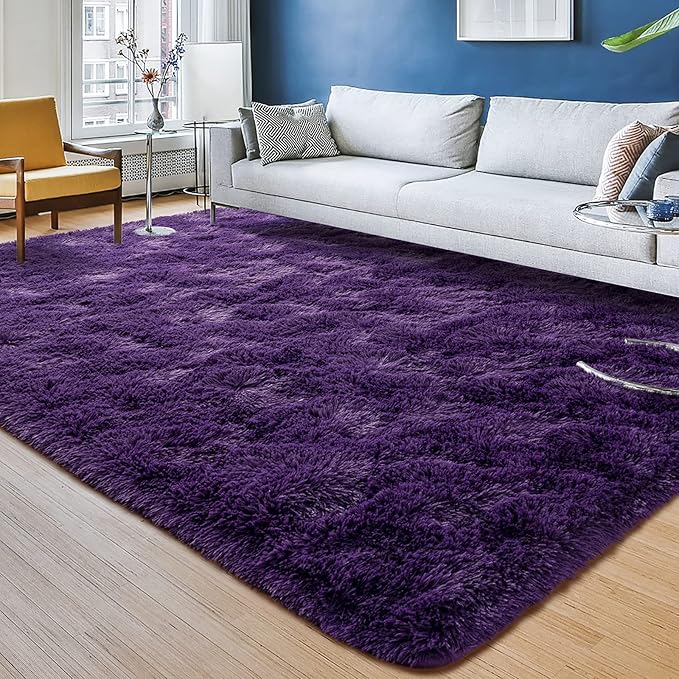
These colors evoke a sense of depth and stillness, promoting relaxation and restful sleep. However, use them wisely and in moderation to prevent feelings of heaviness or depression. Combine deep blues and blacks with lighter hues, such as soft greens or earthy tones, to maintain a balanced and uplifting atmosphere. Alternatively, you can create a luxurious and opulent space by pairing deep blues with rich jewel tones, like emerald green or amethyst purple.
Creating a Balanced and Harmonious Color Scheme
Armed with knowledge of Feng Shui color meanings, you can create a balanced and harmonious bedroom color scheme. Follow these tips:
Consider the Bagua Map
The Bagua map, a fundamental Feng Shui tool, divides a space into nine areas representing different life aspects. Select colors that align with the corresponding element of the bedroom's Bagua map area.
Use the 60-30-10 Rule
For a balanced and visually pleasing space, use the 60-30-10 rule: 60% primary color, 30% secondary color, and 10% accent color.
Combine Complementary Colors
Pair warm and cool colors or colors from different elements to create harmony. For example, use soft green (wood element) walls and accent them with warm-toned pillows and throws (fire element).
The Final Touches
After choosing your color scheme, enhance your bedroom with carefully selected accessories and decor. Consider the following:
Bedding

Opt for bedding that complements your color scheme and promotes relaxation and comfort. Soft, natural materials like cotton or linen create a cozy and inviting space.
Artwork and Decor
Incorporate artwork and decor that aligns with your chosen color scheme and desired bedroom energy. This could include soothing landscape paintings, inspiring quotes, or beautiful wall hangings.

Lighting
Soft, warm lighting plays a significant role in creating the right bedroom atmosphere. Consider using dimmer switches to control light intensity.
Understanding the powerful impact of color and its relationship with Feng Shui enables you to create a bedroom that nurtures your well-being. By carefully selecting colors that promote balance, harmony, and relaxation, your bedroom will become a haven of peace and tranquility, where you can truly recharge and renew.